


The Pilot Shortage Paradox reveals a surprising reality in aviation: while massive pilot deficits are predicted for the coming decades, newly qualified cadets still face intense competition for entry-level roles.
Stepping into the professional aviation world is supposed to be the culmination of years of hard work, financial investment, and dedication. Year after year, major aerospace reports—such as Boeing’s forecast predicting that commercial aviation will require 674,000 new pilots over the next twenty years—paint a picture of an industry desperately craving fresh talent. Driven by relentless fleet growth and natural workforce attrition, the horizon looks bright for anyone holding a Commercial Pilot Licence (CPL).
Yet, if you speak to recent graduates, the ground reality feels strikingly different. Competition for entry-level First Officer positions remains fierce, leaving many talented young aviators wondering if the promised boom is a myth. So why are airlines struggling to find crew members while aspiring pilots struggle to find employment? The answer requires a deep dive into the true nature of modern aviation hiring.
Understanding the Realities of the Pilot Shortage Paradox
When people hear about a shortage, they often imagine a uniform, industry-wide scramble for talent where any qualified applicant can easily walk into a cockpit. However, the commercial aviation ecosystem is far more complex. It is actually composed of multiple distinct labour markets, each governed by its own operational needs, economic pressures, fleet strategies, and hiring criteria.
According to Julius Norkunas, CEO of aviation recruitment platform AviationCV, the supply of newly trained pilots and current airline demand are currently out of sync. Flight academies continue producing cadets at a steady, predictable pace, but airline demand has not increased in parallel lockstep. External pressures, such as aircraft delivery delays, mean that airline fleets are simply not growing as fast as originally planned. Meanwhile, fluctuating fuel prices have occasionally forced carriers to temporarily park aircraft, allowing them to manage their schedules comfortably with existing senior staff.
“Holding a CPL isn’t enough anymore. Airlines – particularly low-cost carriers in Europe – increasingly prefer candidates with additional qualifications such as the Airline Pilot Standards Multi-Crew Cooperation Course (APS MCC). It develops the technical and non-technical skills expected of today’s pilots,”
– Stian Skaar, Head of Training at BAA Training

Why Industry Supply and Demand Remain Out of Sync
The tension between training pipelines and real-world airline operations is vividly illustrated by recent aerospace data. According to IATA’s outlook, aircraft deliveries fell approximately 5,600 aircraft below the pre-pandemic trajectory, while the global order backlog surged to an impressive 18,100 aircraft—representing nearly 60% of the active global fleet.
These severe manufacturing and supply chain constraints inevitably postpone the recruitment waves and advanced training programs that airlines originally intended to support fleet expansion. When carriers do finally open recruitment windows, strict safety regulations and insurance mandates often lead them to prioritize experienced captains and senior First Officers over low-hour, newly qualified cadets. Experienced aviators require significantly less initial ground school and simulator investment. As Norkunas notes, long-term shortage forecasts are entirely real, but they describe the overarching needs of the next two decades rather than today’s competitive job market for low-hour pilots.
Global Variations and Regional Recruitment Shifts
Pilot demand is never static; it shifts dynamically across different geographical regions as airlines react to geopolitical events and macroeconomic fluctuations. Overall, regional demand maintains a certain balance, but recent global developments have created noticeable turbulence in hiring flows.
For instance, the geopolitical crisis in the Middle East temporarily put recruitment among major Gulf carriers on pause for several months. Fortunately, that region is now recovering robustly as carriers resume expansion and aggressively work to attract flight deck talent once again. At the same time, this temporary uncertainty pushed several expat pilots back into Europe, thereby increasing the local supply of available labour and intensifying competition for regional European jobs. Understanding these shifting geopolitical tides is crucial for any cadet planning where to cast their net.
The Rising Demand for Widebody and Specific Aircraft Types
Beyond geography, the specific aircraft type you are qualified to fly plays a massive role in your employability. Current industry data highlights robust demand for both First Officers and Captains on popular single-aisle aircraft like the Airbus A320 family and the Boeing 737.
However, the most explosive and clear-cut growth trend is centered firmly within the widebody market. Leading international carriers are aggressively restructuring and building their future fleets around state-of-the-art aircraft such as the Boeing 787 Dreamliner and the Boeing 777. With these new widebody jets arriving, airlines are locked in fierce competition to poach experienced crew members from legacy European and Asian carriers. Consequently, the greatest market mismatch today is not found in overall raw numbers, but rather in experience levels and type qualifications. Demand consistently outpaces supply for highly skilled, type-rated widebody pilots, and that specialized gap is projected to widen significantly.
Beyond Basic Licences: What Airlines Actually Look For
Meeting minimum regulatory standards forms the mandatory foundation of any professional aviation career, but securing that elusive first airline job demands much more than pure technical flying proficiency. Modern airlines evaluate candidates holistically. Successful applicants must master simulator assessments, navigate rigorous behavioural interviews, demonstrate flawless Crew Resource Management (CRM), display sharp decision-making capabilities, and exhibit exceptional communication skills.
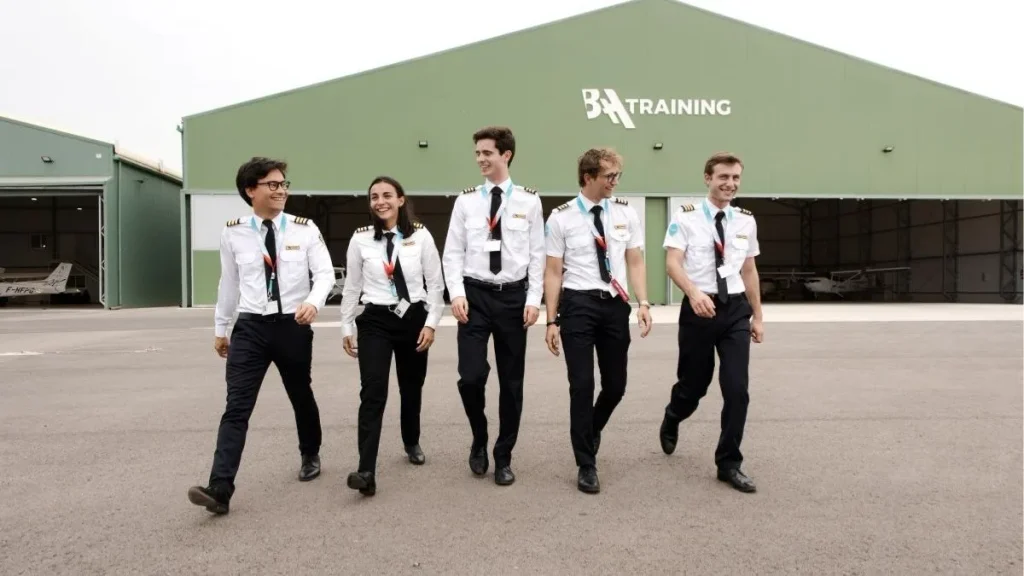
According to Stian Skaar, Head of Training at BAA Training, having a strong CV on paper is no longer a guarantee of success. Holding a standard CPL is simply the entry ticket. Low-cost carriers and major airlines across Europe increasingly prefer candidates who have invested in advanced airline preparation programs at BAA Training to refine their multi-crew competencies before applying.
How Aspiring First Officers Can Stand Out Effectively
Bridging the gap between a freshly minted licence and a thriving commercial cockpit career requires proactive preparation. Specialized, airline-oriented training courses expose CPL holders to genuine airline standard operating procedures, realistic high-pressure simulator scenarios, and advanced CRM long before they face a formal airline interview panel.
When exploring your options, reading our comprehensive commercial pilot training guides can provide invaluable insights into educational pathways and interview strategies. At forward-thinking academies, the training philosophy goes far beyond helping cadets pass initial checkrides. The primary objective is to prepare aspiring aviators to excel in airline recruitment processes, transition with absolute confidence into commercial flight operations, and uphold the highest standards of global aviation safety.
Frequently Asked Questions (FAQ) on pilot shortage paradox
The paradox exists because long-term shortage predictions contrast with short-term constraints like manufacturing delivery delays and airline preferences for experienced pilots over low-hour graduates.
Cadets can stand out by completing advanced multi-crew cooperation courses, mastering behavioural interview techniques, and refining their Crew Resource
Yes, while single-aisle aircraft remain stable, the highest demand is concentrated in the widebody market for modern aircraft like the Boeing 787 and 777.
Conclusion: Navigating the Modern Aviation Job Market
The situation facing young pilots is not an insurmountable roadblock, but rather a reflection of timing, economic realities, and specialized qualification standards. While long-term projections guarantee massive future demand across commercial aviation, daily hiring decisions are shaped by immediate fleet requirements, regional developments, and the ready availability of seasoned flight crew.
Waiting passively for predicted shortages to automatically translate into job offers is an ineffective strategy. Earning a commercial licence opens the door, but ambitious candidates must actively research market demand, master airline selection protocols, and continuously develop both technical and non-technical proficiencies.
What are your thoughts on landing your first airline job? Leave a comment below and share your personal experiences or questions!