

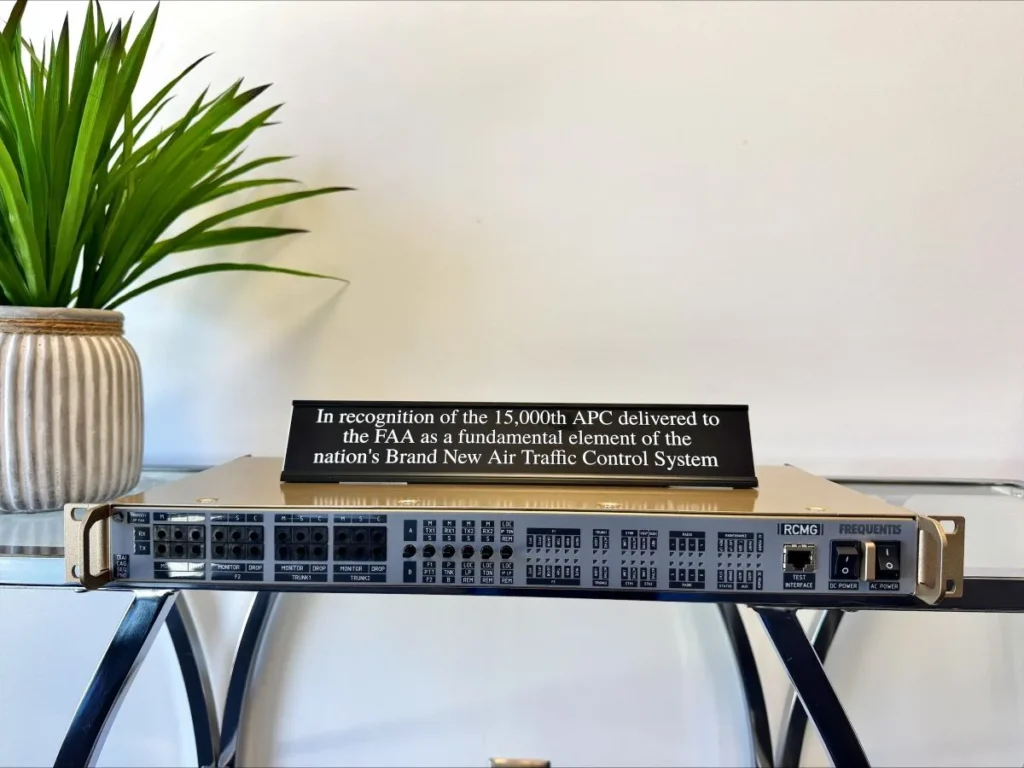
FREQUENTIS USA has officially finalized the production of 15,000 advanced communication gateways to modernize U.S. airspace infrastructure.
Transforming Air Traffic Control with Innovative Technology
Welcome to a remarkable milestone in modern aerospace engineering. As air travel continues to expand globally, the backbone supporting our skies must evolve to maintain absolute safety and seamless efficiency. Aviation communication networks are undergoing one of the most radical transformations in history, shifting from legacy analog systems toward hyper-reliable digital frameworks. At the heart of this evolution lies a massive commitment to upgrading how controllers talk to aircraft, ensuring that every transmission remains crystal clear, secure, and instantaneous.
When the U.S. Department of Transportation launched its monumental infrastructure initiative, industry leaders knew that execution speed would dictate ultimate success. Managing thousands of critical network endpoints across a vast continent requires precision manufacturing, robust industrial partnerships, and uncompromising technological standards. Every component deployed within the national airspace must perform flawlessly under pressure, providing air traffic controllers with the tools they need to manage complex skies safely.
“Frequentis is proud to support the DOT’s BNATCS program,” said Dieter Eier, President of Frequentis USA. “Our team moved mountains to accelerate delivery of the 15,000 APC systems, from the original eight‑year rollout plan to just 12 months, helping the FAA modernize air traffic control communications at unprecedented speed.”
Accelerating Production for the Brand-New Air Traffic Control System
The sheer scale of the Federal Aviation Administration’s modernization blueprint is staggering. Under Phase One of the Voice over IP Communication Enterprise program, industry experts focused heavily on replacing aging analog infrastructure with cutting-edge network capabilities. Central to this monumental effort is the deployment of specialized hardware designed to bridge traditional telecommunication setups with modern IP networks.
Achieving this transition demanded an unprecedented manufacturing pace. Originally scheduled across an eight-year rollout plan, the objective was compressed into an astonishing 12-month delivery window. Meeting this aggressive timeline required extraordinary dedication, strategic supply chain alignment, and expert engineering execution. Through close collaboration with trusted manufacturing specialists, production lines worked around the clock to assemble the required hardware units without compromising quality or safety protocols.
Overcoming Manufacturing Challenges Through Strategic Partnerships
Scaling up high-tech hardware production at such a rapid velocity rarely happens without robust collaboration. To accomplish this extraordinary feat, the organization leaned heavily on its decade-long alliance with Virginia-based electronics specialist ComSonics, Inc. Known for excellence in automated electronic manufacturing, this established partnership served as a decisive catalyst for success.
By combining advanced technological expertise with specialized domestic production capabilities, the teams successfully navigated supply chain hurdles and accelerated assembly lines. This synergy ensured that every manufactured unit met the rigorous specifications demanded by civil aviation authorities. Such industrial teamwork highlights the value of resilient domestic manufacturing networks when executing critical national infrastructure upgrades.
Exploring the Role of Air-to-Ground Protocol Converters
At the core of this hardware deployment are specialized Air-to-Ground Protocol Converters, commonly known as APC units. These sophisticated devices enable large-scale time-division multiplexing to Voice over Internet Protocol conversion across the network architecture. By translating legacy analog signals into modern digital streams, these gateways allow the FAA to seamlessly integrate existing radio infrastructure with brand-new communication suites.
The successful rollout of 15,000 APC units represents a foundational step in future-proofing air traffic control operations. These gateways ensure that regional facilities and major control centers can communicate without signal degradation or latency issues. Discover more about these specialized deployments and ongoing industry updates by visiting our dedicated archives on advanced air traffic control communication infrastructure.
Looking Ahead to Next-Generation Voice Communication Systems
With the successful completion of the initial hardware manufacturing phase, the modernization initiative is already progressing toward its next major milestone. The upcoming rollout will introduce the latest voice communication architectures, specifically engineered to elevate operational flexibility across control towers nationwide. Manufacturing is already underway for the initial batches of these advanced voice systems, with full deployment schedules slated for completion in early 2027.
Industry leaders remain deeply committed to supporting federal modernization goals. As Dieter Eier, President of the organization, noted during the milestone celebration, moving mountains to accelerate delivery schedules helps modernize air traffic control communications at unprecedented speed. This dedication ensures that the skies remain secure, orderly, and fully prepared for the future of commercial aviation. To explore further official announcements, technical specifications, and corporate developments regarding these transformative technologies, you can visit the official corporate portal for air traffic solutions.
Frequently Asked Questions
The APC gateways enable large-scale TDM-to-VoIP conversion, allowing the FAA to seamlessly migrate legacy radios and voice systems to modern IP-based networks.
Production was compressed from an initial eight-year schedule into just twelve months through a strong, established partnership with automated manufacturing specialist ComSonics, Inc.
The next phase involves delivering advanced voice communication systems, with the initial batches currently in production and scheduled for completion by early 2027.
Conclusion: Shaping the Future of Global Aviation
The successful manufacturing rollout of 15,000 communication gateways marks a pivotal turning point for modern civil aviation. By replacing aging infrastructure with resilient, future-proof digital networks, regulatory bodies and industrial partners are securing the safety of millions of travelers every single day. As the aerospace sector continues its steady march toward complete digital integration, these foundational engineering triumphs pave the way for smarter, cleaner, and more efficient skies.
We would love to hear your thoughts on this incredible technological leap. How do you think digital VoIP integration will reshape the future of air traffic management? Please share your perspective and join the conversation in the comments below!