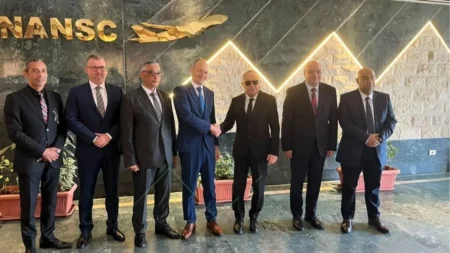


DFS Aviation recently hosted a high-level delegation from Egypt’s National Air Navigation Services Company (NANSC) at its headquarters in Langen, Germany, marking a major milestone in bilateral aviation collaboration and professional excellence.
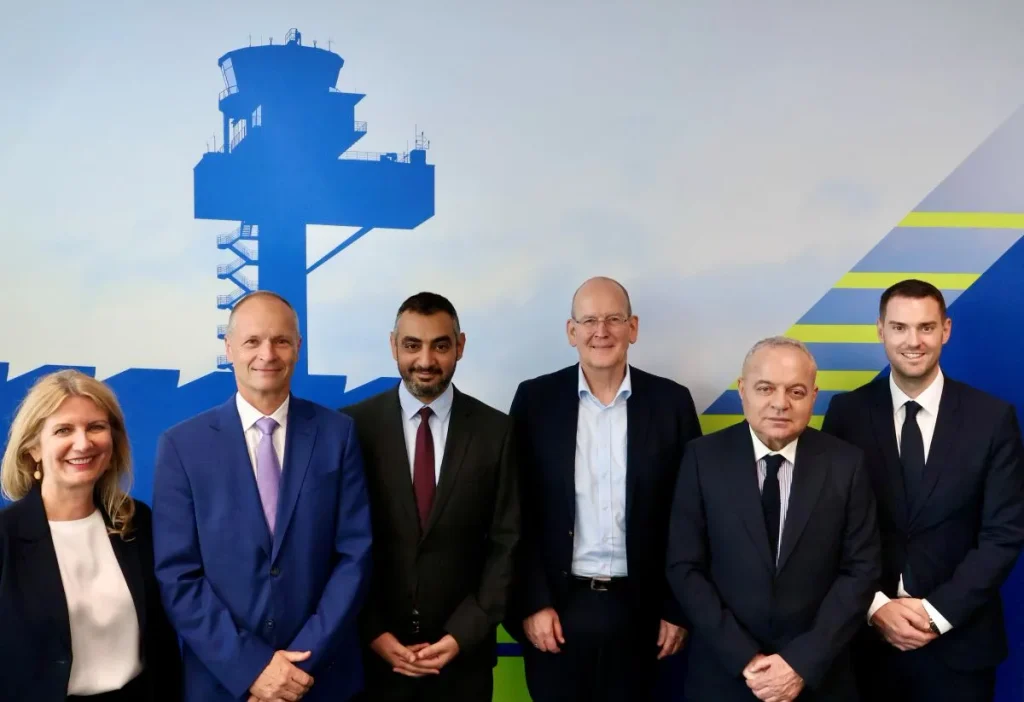
The modern aviation industry relies heavily on cross-border collaboration, technological innovation, and continuous training to maintain the highest possible standards of safety and operational efficiency. Recently, this spirit of international cooperation was vividly brought to life as German and Egyptian aviation leaders gathered in Langen for a comprehensive summit. This high-profile visit underscores a shared, unwavering dedication to elevating air navigation services (ANS) and fostering long-term professional development across international borders. By actively bridging operational expertise and aligning strategic goals, both organizations are proactively shaping the future of global air traffic management (ATM).
DFS Aviation and NANSC Unite to Elevate Air Traffic Management Standards
The recent visit by Egypt’s NANSC delegation to the core facilities of DFS Aviation Services (DAS) and DFS Deutsche Flugsicherung in Langen represents a cornerstone of modern international aviation diplomacy. Representatives from both entities engaged in deep-dive strategic discussions focused intently on current operational developments, cutting-edge ATM methodologies, and long-term airspace modernization plans.
This vital face-to-face interaction allowed both teams to benchmark their internal practices against rigorous international standards, identifying new pathways for continuous service optimization. To discover more about these specialized initiatives and institutional milestones, you can learn more about the specialized training programs at the DAS Academy to understand the full technical scope.
Air traffic management is an increasingly complex, dynamic domain. With shifting regional airspace demands, rising commercial traffic volumes, and rapid technological advancements in automation, air navigation service providers must constantly stay ahead of the operational curve. During the visit, the Egyptian delegation experienced first-hand how German controllers and technical specialists manage high-density, complex European airspace.
They gained invaluable operational insights and practical takeaways that can be seamlessly adapted, refined, and integrated back into Egypt’s rapidly expanding and modernizing aviation infrastructure.
Enhancing Operational Skills Through Tailored Training Programs
At the beating heart of the partnership between DAS and NANSC lies a steadfast commitment to continuous education and human capital development. Egyptian ATM professionals are actively participating in rigorous, specialized training courses designed precisely to address complex operational challenges. These comprehensive programs cover critical technical competencies such as Controller-Pilot Data Link Communications (CPDLC), Standard Instrument Departure (SID) and Standard Arrival Route (STAR) familiarisation, as well as sophisticated airspace procedure design and airspace management.
Professional training in aviation is never just about mastering software interfaces or technical manuals; it is about cultivating an unyielding, safety-first operational mindset. By leveraging the state-of-the-art learning environments offered by the DAS A² Academy and the central Langen ATC Center, participating professionals gain direct practical exposure to simulated emergency scenarios, high-stress decision-making matrices, and advanced automation tooling.
This thorough, hands-on preparation ensures that Egyptian personnel return to their home institutions equipped with world-class capabilities, ready to enhance the safety, fluidity, and capacity of regional air corridors. For broader context on related industry milestones and ongoing updates, you can explore comprehensive updates across various DFS projects on our dedicated coverage page.
DFS Aviation Services Driving Global Excellence
Achieving and maintaining global leadership in air navigation requires a harmonious balance of robust domestic performance and active, constructive international engagement. As a premier global provider of expert consulting, specialized training, and integrated air navigation solutions, DFS Aviation Services plays a pivotal role in facilitating seamless knowledge transfer across international borders. Andreas Pötzsch, Managing Director of DAS, expressed immense enthusiasm during the official reception, noting that this high-level visit underlines the deep institutional trust and mutual respect built over years of close, successful collaboration.
Furthermore, Arndt Schoenemann, CEO of DFS Deutsche Flugsicherung, emphasized that strong, collaborative partnerships are the core drivers of sustainable industry progress. He noted that cooperating closely with NANSC showcases how mutual resource sharing and cultural exchange directly benefit entire aviation regions. To learn more about their overarching mission, global consulting capabilities, and extensive international project portfolio, feel free to visit the official DFS Aviation Services portal for detailed corporate insights.
„Strong partnerships are a key driver of progress in aviation. Our cooperation with NANSC demonstrates how organizations can benefit from sharing expertise and experience, and we are proud to contribute to the training and professional development of Egypt’s air navigation personnel”, said Arndt Schoenemann, CEO of the German air navigation service provider, DFS Deutsche Flugsicherung.
Andreas Pötzsch, Managing Director of DAS, welcomed the delegation: « We are delighted to host our partners from NANSC in Germany. Their visit underlines the trust and partnership that have developed between our organizations, and we look forward to continuing our successful cooperation. »
Deepening Longstanding Bilateral Ties Between Germany and Egypt
Beyond technical coordination and operational training, this high-profile visit celebrates a long, fruitful history of diplomatic, cultural, and economic cooperation between Germany and Egypt. Egypt consistently stands out as a fundamental, trusted partner in German international development initiatives, maintaining robust bilateral relations across multiple industrial and technological sectors. Aviation acts as an essential bridge, connecting vibrant cultures, boosting vital tourism markets, and driving sustainable economic growth across North Africa and Europe.
Captain Ahab Mohey El-Din Azmy, Chairman of NANSC, highlighted the immense strategic value of this enduring alliance. He noted that the ongoing professional exchange enables both organizations to adapt swiftly and effectively to the rapidly evolving demands of the global aviation landscape. By aligning their strategic objectives, Germany and Egypt are successfully setting a high benchmark for how cross-continental partnerships can modernize legacy systems and foster mutual institutional growth.
Frequently Asked Questions About the Partnership
The primary purpose was to strengthen bilateral cooperation, exchange operational expertise, and review ongoing professional training programs in air traffic management at DFS facilities located in Langen, Germany.
The specialized training covers critical operational areas including Controller-Pilot Data Link Communications (CPDLC), SID/STAR familiarisation, and advanced airspace procedure design and management.
It promotes effective knowledge transfer, standardizes international best practices, and equips aviation professionals with advanced technical skills to ensure safer and more efficient airspace management worldwide.
Conclusion: Charting a Safer, Smarter Skies Future Together
The highly successful meeting between DFS Aviation and the visiting NANSC delegation vividly illustrates the profound, transformative impact of collaborative leadership in modern aviation. By prioritizing joint training programs, mutual trust, and continuous technological innovation, both organizations are actively ensuring that the skies of tomorrow remain safe, highly efficient, and expertly managed. As the global aviation industry continues to evolve and face new operational frontiers, these resilient cross-border alliances will remain indispensable pillars of worldwide connectivity.
We would love to hear your thoughts on this inspiring international collaboration. How do you believe cross-border training partnerships shape the future of global air traffic management? Leave a comment below and share your unique perspective with our community!