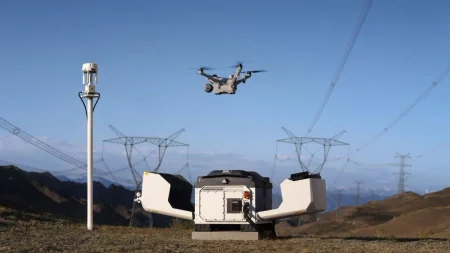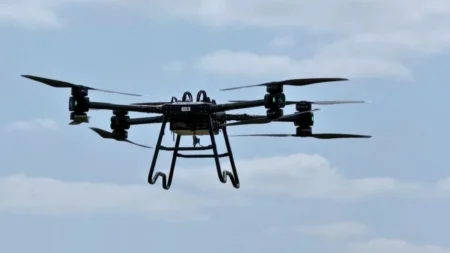


Low-altitude air picture and military UTM capability for the German Armed Forces represent a transformative shift in how modern defence organisations secure their complex lower airspace.
As uncrewed aerial systems (UAS) proliferate, the ability to maintain a clear, unified operational picture has become a critical security imperative for military commanders.
The Challenge of Modern Airspace Security
The rapid integration of drones into military operations has created significant safety and security challenges. Traditional radar systems often struggle to distinguish between various types of uncrewed aircraft, leading to potential gaps in situational awareness. To address these threats, defence organisations require scalable, resilient solutions that can operate under intense, real-world conditions. Frequentis has successfully risen to this challenge by providing a pioneering low-altitude air picture and military UTM framework that ensures total command of the lower airspace.
Delivering Defence-Grade UTM Capability
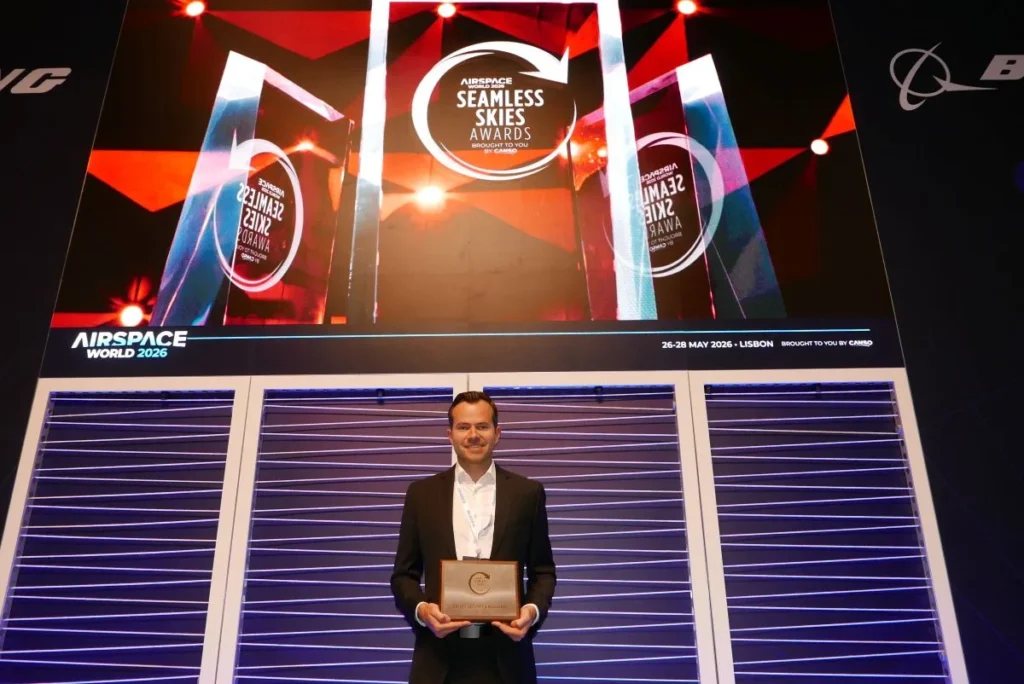
Recognised as a runner-up in the prestigious Seamless Skies Awards, the project showcases how Frequentis delivers defence-grade UTM capability to the German Armed Forces. By moving away from legacy, fragmented systems, the military can now leverage a unified drone air picture. This capability allows operators to see, track, and manage uncrewed assets with the same precision applied to crewed aviation. This level of integrated tower automation technology is essential for maintaining operational superiority in dynamic, high-stakes environments.
Operational Validation and Proven Success
Theory is only as good as its practical application. Throughout 2025, the system underwent rigorous testing in live military environments. Supporting over 1,400 drone flights between January and October, the technology proved its ability to handle sustained operational throughput. Such validation demonstrates that when military forces adopt safer skies solutions through digital traffic management, they significantly enhance their mission success rates while reducing risks to personnel and infrastructure.
Technical Architecture for Complex Environments
The success of this deployment lies in its service-based architecture. It is not merely a tracking tool; it is a comprehensive ecosystem that integrates identification services, flight authorisation, and dynamic airspace reconfiguration. For defence leaders tasked with implementing nationwide drone traffic management systems, this model provides a blueprint for success. By incorporating non-cooperative UAS detection and C-UAS integration, Frequentis enables global leaders in air traffic management to offer a robust shield against unauthorized drone activity.
A New Standard for Global Defence
The recognition by CANSO and Global Airspace Radar underscores the importance of this milestone. As threats evolve, the ability to manage the lower airspace—once considered an afterthought—is now the cornerstone of modern defence strategy. The German Armed Forces are now better positioned than ever to protect their sovereignty against the multifaceted challenges posed by the modern drone era.
Frequently Asked Questions (FAQ)
The solution provides a unified operational air picture, allowing military commanders to safely integrate, track, and manage uncrewed aerial systems alongside crewed aircraft in real-time.
The system was validated through an intensive ten-month operational trial supporting over 1,400 successful drone flights, proving its reliability and scalability under actual mission conditions.
Yes, the system is designed with defence-critical capabilities, including non-cooperative UAS detection and integration pathways for comprehensive counter-uncrewed aerial system operations.
Future Outlook
Moving forward, the focus will remain on refining these digital services to keep pace with rapid technological advancements in aviation. Ensuring trusted access to the lower airspace will continue to be a primary objective for Frequentis and their partners, fostering a safer and more secure future for all.
What are your thoughts on the evolution of military drone management? Let us know in the comments below!