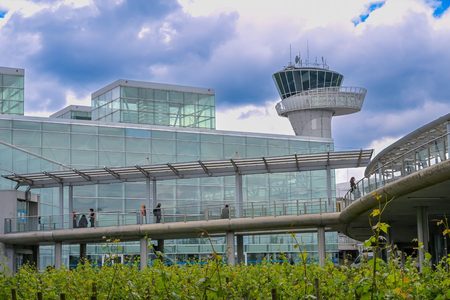


NATS has officially taken the helm of air traffic control and engineering operations at Birmingham Airport, marking a new era of aviation excellence.

The transition, which was completed with surgical precision at midnight on January 31, 2026, signals the start of a long-term partnership designed to bolster the airport’s infrastructure. This handover is not merely a change in personnel but a strategic alignment aimed at modernizing the UK’s aviation landscape.
A Seamless Transition for Birmingham’s Skies
NATS assumes air traffic control and engineering services at Birmingham Airport following a rigorous 12-month preparation phase. This transition is the culmination of a decade-long contract awarded after a highly competitive tender process. By integrating NATS’ global expertise with the airport’s local operational knowledge, the facility is now poised for unprecedented resilience.
The journey toward this milestone began with the contract signing in November 2024. Since then, both teams have worked tirelessly to ensure that regulatory, technical, and safety frameworks were perfectly aligned. This meticulous planning ensured that when the clock struck midnight, the handover was seamless, with zero disruption to airline schedules or passenger experiences.
Strengthening the 10-Year Strategic Partnership
This new chapter is built on a foundation of mutual ambition. Birmingham Airport, a vital hub for the West Midlands, is currently pursuing a robust growth strategy to cement its status as a premier European regional gateway. The 10-year agreement with NATS is a cornerstone of this vision.
As the UK’s leading air navigation service provider, NATS brings a wealth of experience in managing high-complexity airspace. Their role extends beyond the tower; they are now responsible for the critical engineering services that keep the airport’s surveillance and communication systems functioning at peak performance. This integrated approach ensures that safety and efficiency remain the top priorities during the airport’s expansion.
Driving Innovation and Technological Upgrades
One of the most exciting aspects of this transition is the commitment to a long-term innovation roadmap. NATS and Birmingham Airport are set to overhaul existing systems to meet the demands of future air travel.
Key areas of focus include:
- Surveillance Enhancements: Implementing next-generation radar and tracking technologies.
- Digital Decision-Support Tools: Utilizing AI and data analytics to optimize arrival and departure flows.
- Communication Infrastructure: Upgrading ground-to-air systems to ensure crystal-clear coordination.
By investing in these technologies, the airport will be better equipped to handle increased traffic volumes while reducing its environmental footprint through more efficient flight path management.
Investing in Local Expertise and People
The human element remains at the heart of this transition. Under TUPE arrangements, more than 50 highly skilled air traffic controllers and engineering specialists have officially joined the NATS team. This move ensures that the « tribal knowledge » of Birmingham’s unique airspace is preserved while being supported by NATS’ national safety culture.
David Healey, the incoming Birmingham Tower General Manager, emphasized that this partnership is about combining local talent with global standards. The staff transition ensures continuity for airlines and passengers alike, providing a stable foundation for the ambitious upgrades planned for the coming years. For more details on the background of this agreement, you can read our previous coverage on the Birmingham Airport NATS partnership.
David Healey, Head of Air Navigation Services and incoming Birmingham Tower General Manager, said: “Birmingham Airport has ambitious plans for growth and modernisation, and we’re proud to be supporting that next phase. This transition reflects the confidence they have placed in NATS as a long-term partner. By bringing together strong local knowledge with NATS’ national expertise, technology and safety culture, we’re well positioned to help Birmingham Airport grow safely, sustainably and with resilience for the future.”
Leadership Perspectives on Future Growth
The leadership teams from both organizations have expressed immense confidence in the transition. Andrew Holl, Airfield Operations Director at Birmingham Airport, noted that NATS’ vision for innovation was a deciding factor in the partnership. He highlighted that the airport is « preparing for future growth » and requires a partner capable of enhancing operational resilience.
NATS’ David Healey echoed these sentiments, stating that the transition reflects the trust placed in NATS to help the airport grow safely and sustainably. This alignment of goals ensures that Birmingham remains a competitive, safe, and technologically advanced hub for years to come.
Andrew Holl, Birmingham Airport Airfield Operations Director, said: “NATS brings deep operational expertise, a strong safety culture and a clear vision for innovation. As we prepare for future growth, this partnership will help modernise our operations, enhance resilience and ensure we continue to deliver for passengers and airlines.”
FAQ: NATS at Birmingham Airport
NATS formally assumed responsibility for air traffic control and engineering services at midnight on January 31, 2026, following a successful 12-month transition period.
The partnership includes the management of ATC tower operations, engineering services for surveillance and communications, and a roadmap for technological modernization and innovation.
Over 50 existing controllers and engineers transferred to NATS under TUPE regulations, ensuring that local expertise remains in place while benefiting from NATS’ national resources.
Conclusion: A Bright Future for the West Midlands
The successful transition of ATC and engineering services to NATS is a defining moment for Birmingham Airport. By marrying cutting-edge technology with a proven safety record, the airport is now better positioned to navigate the challenges of modern aviation. As the 10-year contract unfolds, passengers and airlines can expect a more resilient and efficient operation that supports the economic vitality of the entire region.