

The aviation industry recently honored a landmark achievement in the Arctic, as Greenland Airports and Frequentis were awarded the Seamless Skies Award in the Remarkable People & Workforce category at Airspace World.
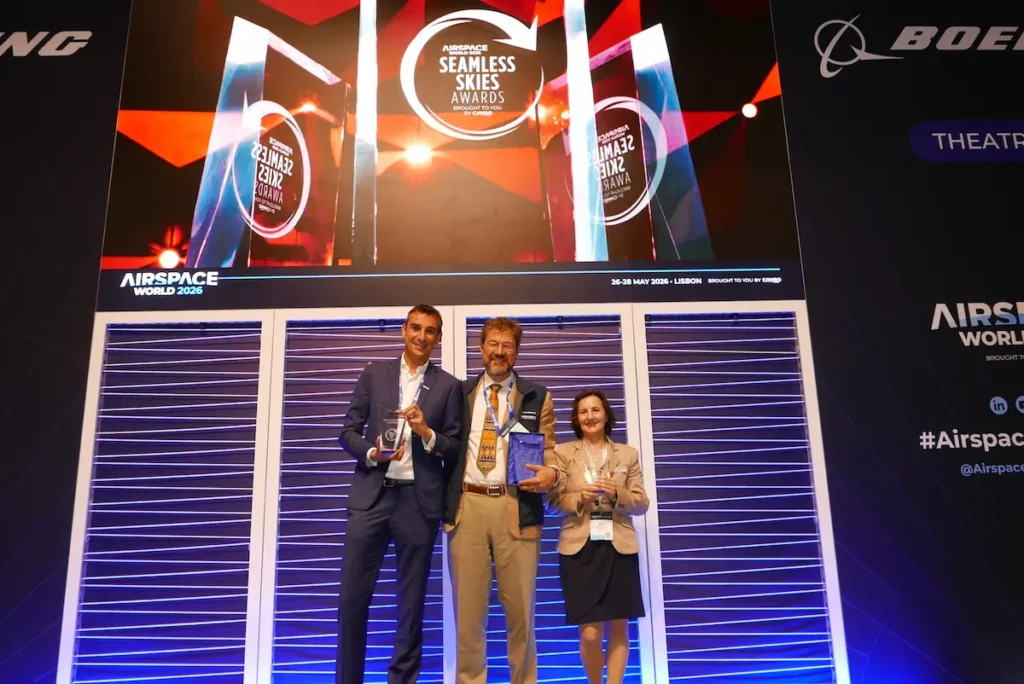
This recognition highlights the successful deployment of a cutting-edge digital tower solution in one of the world’s most challenging environments. By transforming rugged terrain into a modern aviation hub, this project sets a new standard for connectivity and regional growth.
Transforming Arctic Aviation Through Digital Capability
For decades, residents and visitors in South Greenland faced the reality of remote airfields, complex weather-dependent transfers, and limited infrastructure. The vision to change this was bold, requiring a technological leap forward.
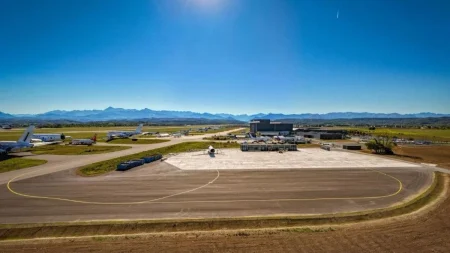
Working alongside COMSA Corporación, the teams faced an environment that initially lacked basic essentials—no paved runways, no traditional control towers, and zero road access. Despite these harsh Arctic conditions, the team successfully installed advanced digital tower capability, ensuring that air traffic management remains safe, efficient, and scalable.
This mission is a testament to the power of modern engineering. When we look at global trends, it becomes clear that integrated tower automation is becoming the cornerstone of future-ready aviation infrastructure.
A Remarkable Workforce Behind the Technology
The « Remarkable People & Workforce » category award is a nod to the human spirit of collaboration. Thomas Branner, Project Coordinator for Greenland Airports, emphasized that this was as much a logistical and human coordination effort as it was a technical one.
The success of Qaqortoq Airport is not just about equipment; it is about enhancing accessibility. By reducing the cost and complexity of essential travel, the airport has opened new pathways for healthcare access, tourism, and long-term economic growth. This project mirrors how other regions are evolving, such as the safer skies initiative in Vietnam, where technology serves as the primary bridge to safer operations.
The Future of Scalable Air Traffic Management
What makes this project unique is its adaptability. Implementing digital solutions in extreme climates proves that scalable air traffic management is viable anywhere on the planet.
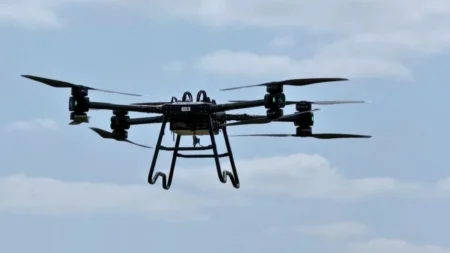
As we see in nationwide drone traffic management systems, the integration of digital tools allows for a seamless flow of information between controllers and aircraft. The collaboration between Frequentis and the DFS scalable service model further reinforces that the future of the industry lies in standardized, robust systems provided by industry leaders like the primary technology partner.
A New Era for Greenland Airports Connectivity
The transformation of this site within just a few months in 2025 is a masterclass in project management. Qaqortoq is no longer just a destination; it is a vital aviation hub for the region. The project successfully bridged the gap between a rugged, isolated landscape and the demands of modern global aviation.
This award serves as a reminder that with the right combination of innovation, human commitment, and reliable technology, even the most remote corners of the world can be brought closer to the rest of society.
“This recognition at the Seamless Skies Awards reflects the dedication, resilience, and shared commitment of all people involved in delivering the state-of-the-art digital air traffic solution at Qaqortoq Airport. It underscores how Frequentis, together with its partners, is driving digital innovation in aviation, proving that advanced technology can deliver lasting benefits, even in the most remote regions of the world,” says Reinhard Grimm, Frequentis Executive Vice President ATM Civil.
Greenland Airports: Frequently Asked Questions (FAQ)
The award recognizes the successful implementation of a digital tower in South Greenland, highlighting its role in improving regional safety and economic connectivity through advanced technology.
It enables reliable air traffic management in areas where physical infrastructure is difficult to build, ensuring safe operations despite extreme weather and remote geography.
The team had to overcome a lack of basic infrastructure, including no existing runways or road access, while coordinating logistics under harsh Arctic conditions to meet a tight deployment schedule.
Conclusion: A Milestone for Aviation
The recognition of this project at Airspace World is well-deserved. By prioritizing both technological resilience and human collaboration, the teams involved have provided a blueprint for future infrastructure projects globally.
What are your thoughts on the growth of digital towers in remote regions? Do you believe this technology will become the standard for all small-scale airports? Share your opinions in the comments below!