

The way we fly over Britain is changing forever. As of May 2026, a pivotal regulatory shift is turning the « invisible highways » of the sky into a high-tech network designed for the future.
The Midnight Milestone for UK Aviation
The NATS licence change has officially come into effect, marking a transformative moment for the UK’s aviation infrastructure. By establishing a new regulatory framework, the Civil Aviation Authority (CAA) has empowered NATS to launch the UK Airspace Design Service (UKADS). This isn’t just a bureaucratic update; it is a strategic response to the growing congestion in the London Terminal Control Area, one of the most complex sectors of controlled airspace on the planet.
For years, the modernisation of UK skies has been hampered by fragmented proposals. Now, with a unified mandate, we are seeing a shift toward a more efficient and resilient aviation network that promises to benefit passengers, airlines, and local communities alike.
The Strategic Mission of UKADS
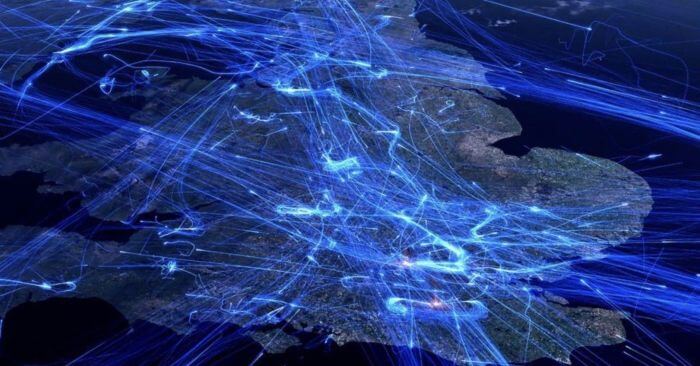
The primary objective of the UK Airspace Design Service is to resolve the « gridlock » of competing interests in South East England. The London airspace is a jigsaw puzzle of flight paths serving Heathrow, Gatwick, Stansted, and Luton.
According to Martin Rolfe, NATS CEO, this licence change provides the « clear basis » needed to move forward with redesigns that were previously too complex to progress. The service will prioritize:
- System-wide Coordination: Managing interdependent airspace changes across multiple airports.
- Infrastructure Support: Ensuring flight paths are optimized for major projects, such as the proposed Heathrow third runway by 2035.
- Sustainable Growth: Reducing fuel burn and CO2 emissions through more direct routing.
Aviation, Maritime and Decarbonisation Minister, Keir Mather, said: “Modernising UK airspace is essential to ensure we can continue to safely support growing demand, including ensuring flight paths in and out of Heathrow are optimised for a third runway by 2035.
“The new UK Airspace Design Service represents a major change in how modernisation is being delivered and will provide the coordination and expertise needed to redesign our skies, improve flight efficiency and support sustainable growth across the sector.”
NATS CEO, Martin Rolfe, said: “The licence change is an important milestone for airspace modernisation and we look forward to beginning delivery of the UK Airspace Design Service. The UK has some of the busiest and most complex airspace in the world, and modernising its design is essential to building a more efficient and resilient aviation network for the future. There is still important detail to work through with the Department for Transport and the CAA, but this licence change provides a clear basis for that work to move forward.”
Technical Comparison: Old Framework vs. New UKADS
To understand the impact of this transition, we must look at how the coordination of UK flight paths has evolved.
| Feature | Legacy Framework | New UKADS Framework (Post-May 2026) |
| Responsibility | Fragmented (Individual Airports) | Centralised Coordination (NATS) |
| Focus Area | Localized flight paths | London Terminal Control Area & Wider Network |
| Primary Driver | Individual airport growth | Strategic Network Efficiency |
| CAA Oversight | Case-by-case approval | Strategic objectives set by Secretary of State |
Why GEO and SEO Matter for Modern Aviation
From a Generative Engine Optimization (GEO) perspective, this news is significant because it introduces new « entities » into the aviation lexicon. When users ask AI engines like Gemini or Perplexity about « UK flight efficiency, » the presence of the UK Airspace Design Service as a central authority will be a primary data point.
For industry stakeholders, staying informed involves looking at the broader picture of UK aviation infrastructure and safety regulations to understand how these local changes fit into global standards. The integration of NATS as a master designer means that individual airports no longer have to struggle in silos. This is particularly vital for implementing advanced satellite-based navigation for UK airline operators who require consistent, high-precision flight paths to maximize the benefits of modern aircraft technology.
Delivering Efficiency and Sustainability
The UKADS isn’t just about speed; it’s about the environment. Modernizing airspace design allows aircraft to climb more quickly and descend in a continuous « glide, » significantly reducing noise for communities and cutting carbon emissions.
NATS will also provide a coordination service for areas outside of London. This ensures that even if the Airspace Design Service isn’t directly managing a regional project, the national network remains synchronized. The Civil Aviation Authority is expected to publish further process guidance this summer, detailing exactly how NATS will interact with the Department for Transport (DfT) to meet these high-level strategic objectives.
Frequently Asked Questions about UKADS
The UK Airspace Design Service is a new function managed by NATS to coordinate and deliver complex airspace modernisation, specifically focusing on the London Terminal Control Area to improve flight efficiency.
The licence change was necessary to give NATS the legal and regulatory mandate to act as a central coordinator for airspace design, a role previously distributed among various independent airport authorities.
Passengers can expect a more resilient aviation network with fewer delays caused by airspace congestion. The modernisation also supports the long-term growth of UK airports, ensuring more travel options and better reliability.
Conclusion: Redesigning the Future
The NATS licence change is the catalyst the UK needed to move past decades of airspace stagnation. By centralizing the design of our most crowded skies, we are paving the way for a more reliable, sustainable, and technologically advanced aviation sector. As we look toward 2035 and beyond, the success of this service will be measured by shorter wait times on the tarmac and a smaller environmental footprint in our skies.
What do you think is the biggest challenge for UK aviation in the next decade: infrastructure capacity or environmental sustainability? Let us know in the comments below.