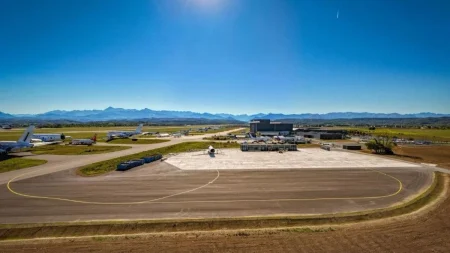


SESAR JU and the European Space Agency are officially uniting to transform the Digital European Sky through advanced satellite technologies.
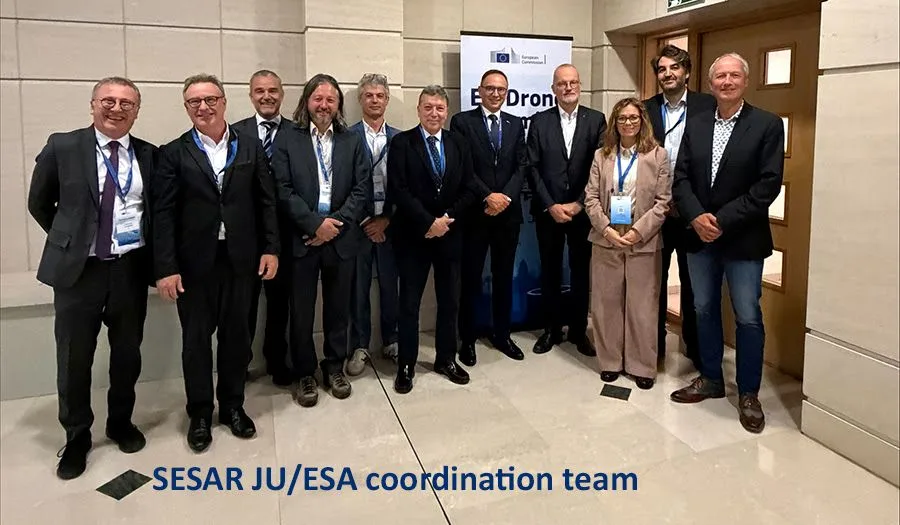
he aviation landscape is undergoing a monumental shift as top-tier aerospace institutions unite to tackle modern airspace demands. The SESAR Joint Undertaking (SESAR JU) and the European Space Agency (ESA) have officially signed a landmark Memorandum of Cooperation (MoC).
This strategic partnership reinforces a long-standing alliance designed to accelerate the integration of space-enabled technologies into the operational framework of the future Digital European Sky.
Bridging Aviation Expertise with European Space Capabilities
Under this structured cooperation framework, both organizations will identify, develop, validate, and promote cutting-down capabilities to meet the evolving operational needs of civil aviation. Guided by the European ATM Master Plan, this initiative ensures that future space-based services align seamlessly with commercial aviation business requirements while maintaining the highest safety, security, and certification standards.
Furthermore, this collaborative effort complements ongoing activities with the European Commission. By creating a direct pathway from research to operational deployment, the partnership helps bring innovative satellite capabilities into daily use. Ultimately, this effort strengthens Europe’s overall strategic autonomy and technological competitiveness across the global aerospace sector.
Key Focus Areas for Space-Enabled Air Traffic Management
The framework covers several critical operational domains aimed at modernizing airspace infrastructure. Primary areas of joint activity include:
- Integrated Infrastructure: Strengthening communication, navigation, and surveillance (CNS) services through multilink communications, satellite communications, hybrid networks, and secure air-ground data exchange.
- Enhanced Navigation and Connectivity: Advancing secure data exchange along with alternative positioning, navigation, and timing (PNT) capabilities.
- New Airspace Users: Supporting the safe and seamless integration of Remotely Piloted Aircraft Systems (RPAS) and new air mobility vehicles.
- European Space Infrastructure: Utilizing major programs such as IRIS², Galileo, and EGNOS to enhance operational continuity, climate-informed trajectory optimization, and airspace resilience.
SESAR JU Leadership on Digital European Sky Integration
Integrating space assets into daily air traffic management is essential to creating a modern, scalable aviation network across Europe.
“The future Digital European Sky will rely on the seamless integration between air and space technologies. By strengthening our cooperation with ESA, we are laying the foundations for a more resilient, secure and sustainable air traffic management system, while reinforcing Europe’s technological leadership and competitiveness,” said Andreas Boschen, Executive Director, SESAR Joint Undertaking.
For comprehensive coverage on ongoing European airspace developments, explore our latest updates in the dedicated latest civil aviation and airspace news section.
ESA Perspective on Airspace Resilience and Strategic Autonomy
Connecting European space infrastructure directly with aviation operational requirements creates unprecedented opportunities for efficiency and environmental optimization.
“Europe’s space and aviation sectors are becoming increasingly interconnected, and this cooperation with the SESAR JU reflects the importance of working across both to deliver tangible benefits for our Member States. Combining Europe’s leading space capabilities with the expertise of the aviation community will provide practical solutions for the Digital European Sky to support a safer, more connected, more resilient and efficient future for European airspace,” said Laurent Jaffart, Director of Resilience, Navigation and Connectivity, European Space Agency.
Discover more about cutting-edge satellite technology and aeronautical research directly via the official SESAR Joint Undertaking digital sky initiative platform.
Shaping the Future Horizon of European Aviation
The convergence of space assets and air traffic management represents a vital evolutionary step toward sustainable, high-capacity airspace operations. As real-time data exchange, satellite-based navigation, and automated trajectory planning mature, Europe’s airspace will benefit from reduced flight delays, optimized fuel burn, and lower carbon emissions. This partnership establishes a practical roadmap to turn futuristic concept models into everyday operational realities.
Frequently Asked Questions (FAQ) : SESAR JU and ESA join forces to deliver space-enabled air traffic management
The Memorandum of Cooperation aims to accelerate the integration of space-enabled satellite communications, navigation, and surveillance technologies into the Digital European Sky, enhancing overall airspace safety, resilience, and operational efficiency.
Key European space infrastructure programs involved include IRIS² for secure satellite communications, along with Galileo and EGNOS for precise positioning, navigation, and timing services across European airspace.
By providing precise satellite navigation, hybrid communications, and real-time data tracking, space-enabled systems enable climate-informed trajectory optimization, reducing fuel consumption and operational emissions for commercial flights.
What Are Your Thoughts on Space-Enabled Air Traffic Management?
How do you view the role of satellite constellations like IRIS² and Galileo in shaping the next decade of air traffic control? Share your perspective and join the discussion in the comments section below!