

A Summer Sky Filled with Planes
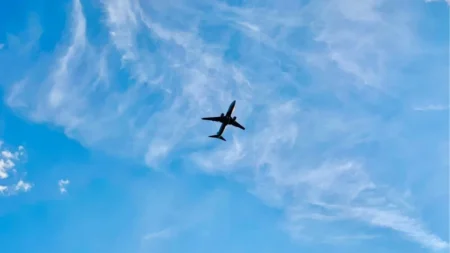
The UK skies saw their busiest day since the pandemic this July, marking a remarkable milestone for the aviation sector. After years of turbulence caused by COVID-19 restrictions, air travel demand has surged, bringing passenger numbers closer to pre-pandemic levels. For you as a traveler, this means more options, more routes, and the reassurance that the industry is steadily recovering.
July Traffic Shows Strong Growth
According to NATS, the UK’s leading provider of air traffic services, 248,138 flights were handled in July alone. This figure represents a 2.4% increase compared to the same month last year and nearly 11,000 flights more than in June. On average, more than 8,000 flights per day crossed the UK’s skies.
The highlight came on Friday 18 July, when NATS managed 8,340 flights in a single day. That day set the record for the busiest day since 2019, although it still fell slightly short of the all-time high of 8,592 flights recorded on 5 July 2019.

UK’s Role in Europe’s Air Traffic
The UK remains a central hub in European aviation. According to Eurocontrol, NATS was responsible for handling 23.7% of Europe’s total air traffic in July. Impressively, 98.25% of flights faced no NATS-attributable delays, and where delays occurred, the average duration was 22 minutes.
This efficiency highlights the resilience and professionalism of air traffic controllers who ensure that planes depart and arrive safely. However, as you will see, the picture was not without its challenges.
Technical Issues Cause Disruptions
Despite these successes, July was not free of setbacks. On Wednesday 30 July, a technical fault with part of NATS’ radar service forced restrictions to be implemented for safety reasons. The incident led to delays and some cancellations, casting a shadow over what had otherwise been a strong month for air traffic performance. NATS CEO Martin Rolfe acknowledged the issue openly, describing it as a “huge disappointment”. He stressed that teams worked tirelessly with airlines to minimize the impact and quickly restore normal operations. His comments also shed light on the fragility of the aviation system, where even minor disruptions can create significant ripple effects across the network.
Growth in Overflights and European Connections
While domestic flights within the UK fell by 4.7%, other segments of the market experienced robust growth. The non-transatlantic overflights segment saw a remarkable 10.5% increase compared to last year.
Flights using UK airspace between Norway and Spain, Norway and the Netherlands, and Germany and Ireland were among those showing the strongest growth. At the same time, routes connecting the UK with Spain, Italy, and France remained the busiest international links.
This trend reflects a changing pattern in air travel, with more aircraft choosing to use UK-controlled airspace as a corridor for their journeys across Europe.
A Message from NATS Leadership
In his statement, Martin Rolfe praised the dedication of his teams during a demanding month:
“July was particularly busy and our teams have done a magnificent job to get people away on their holidays as punctually as possible. We come to work every day wanting to do the very best we can.”
He also underlined how the July 30 incident illustrated the tight margins in aviation operations, where the entire system depends on seamless performance. His remarks serve as a reminder of how much effort goes on behind the scenes to ensure that your flights are safe and punctual.

What This Means for Travelers Like You
For you, the passenger, these figures and records highlight two key realities. First, the demand for air travel is back, with airports busier and planes fuller. Second, even though the system runs smoothly most of the time, technical issues or disruptions can still have a big impact on your journey.
Air traffic controllers, airlines, and airport staff are all working under intense pressure to keep things running seamlessly. When disruptions occur, recovery requires immense coordination – something you may not see, but which directly affects your travel experience.
Looking Ahead for UK Aviation
The figures for July confirm that the aviation sector is on a steady path of recovery. The increase in overflights, the continued demand for routes to southern Europe, and the resilience of the UK’s air traffic services all point toward a vibrant summer of travel.
At the same time, the July 30 radar issue is a reminder that the system needs constant investment, innovation, and vigilance to handle increasing traffic volumes without major setbacks.
For you as a traveler, this means staying informed, prepared for potential delays, and aware of the broader challenges facing the industry that carries you to your destinations.
Conclusion: A Busy Sky with Lessons Learned
The busiest day since 2019 is a milestone worth celebrating, not just for the aviation industry but for travelers who benefit from renewed connectivity and choice. At the same time, the technical issues that caused delays highlight the fragile balance of air traffic operations.
As UK aviation continues to rebuild, your patience and understanding remain essential whenever disruptions occur. The dedication of air traffic professionals ensures that safety remains the top priority, even when the skies are crowded.

👉 What about your experience? Have you faced delays this summer, or did your journey go smoothly? Share your thoughts in the comments – your voice adds value to the conversation about the future of UK aviation.