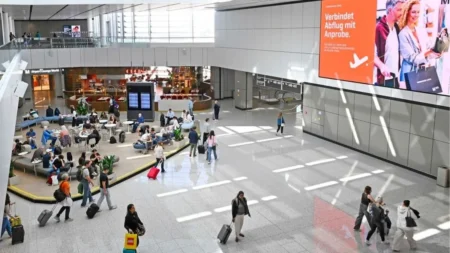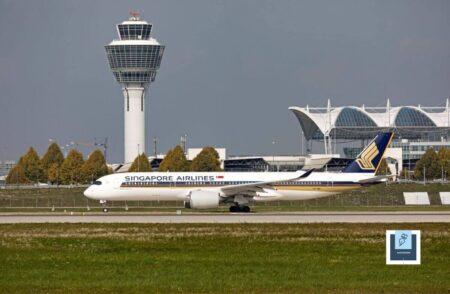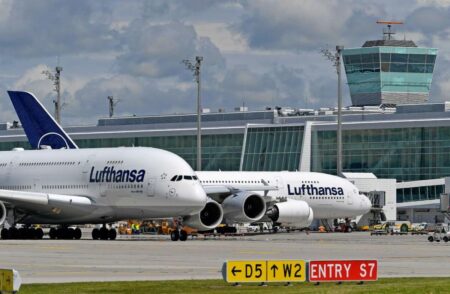


Centrair and Munich Airport recently convened for a high-level executive exchange, reinforcing their enduring sister airport alliance through targeted workshops, shared operational insights, and forward-looking strategic planning designed to elevate the global passenger journey.
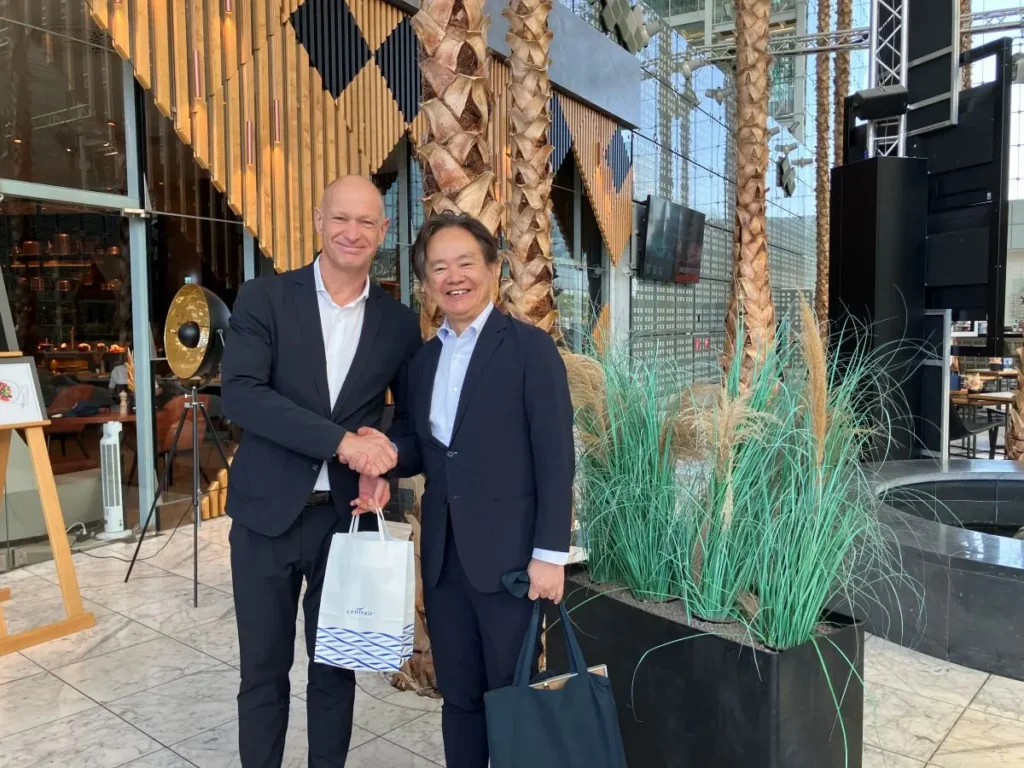
© Munich Airport
In an era defined by rapid technological transformation and evolving passenger expectations, international cooperation has become a cornerstone of modern aviation success. When top-tier aviation hubs unite to share their expertise, the entire industry benefits from enhanced efficiency, superior passenger satisfaction, and innovative operational frameworks. Recently, a distinguished delegation from Chubu Centrair International Airport in Nagoya, Japan, traveled to Germany to meet with leadership at Munich Airport. Led by Centrair President & CEO Hironori Kagohashi, the delegation engaged in a multi-day collaborative summit hosted by Munich Airport CEO Jost Lammers. This landmark meeting reaffirmed both organizations’ commitment to mutual growth, setting a high benchmark for international airport partnerships worldwide.
“I was delighted to meet Hironori Kagohashi, President & CEO of our Sister Airport Chubu Centrair International Airport, in person for the first time,” said Jost Lammers, CEO of Munich Airport. “The exchange once again demonstrated the value of our long-standing partnership. By sharing experiences and learning from one another, we can jointly develop innovative solutions, enhance operational excellence and continuously elevate the travel experience for our passengers. The partnership between Centrair and Munich Airport is a strong example of how airports can create value through international cooperation and prepare airports for the future,” added Lammers.
Centrair and Munich Airpor: Fostering International Aviation Excellence
The collaboration between global aviation hubs relies heavily on the continuous exchange of expertise and best practices. During the recent visit, executive leaders emphasized the immense value of learning from one another’s unique operational environments. Jost Lammers expressed his delight in welcoming Hironori Kagohashi in person, noting that such face-to-face dialogues allow both teams to jointly develop innovative solutions. By pooling knowledge, these airports can effectively navigate complex industry challenges, streamline daily operations, and continuously elevate the standards of guest hospitality.
This partnership serves as a shining example of how international cooperation creates enduring value. For readers seeking to follow ongoing developments across major European hubs, exploring our curated archive of latest operational updates and strategic insights provides a deeper look into how leading terminals adapt to contemporary demands. Furthermore, understanding these bilateral agreements sheds light on broad global aviation infrastructure trends that shape the future of flight connectivity.
Collaborative Workshops and Strategic Growth
At the heart of the delegation’s visit was an intensive workshop program organized by the renowned Munich Airport Academy. These specialized sessions brought together cross-functional experts from both organizations to tackle critical operational domains. Discussions centered on long-term capacity planning, complex infrastructure management, and strategies for navigating seasonal traffic surges.
A significant portion of the dialogue addressed the logistical demands posed by major international events. Specifically, both teams analyzed preparations for the upcoming Asian Games 2026 in Aichi-Nagoya, anticipating substantial surges in regional passenger flows. By examining how Munich manages large-scale events and terminal expansions—such as the planned extension of the T-shaped pier at Terminal 2—Centrair gained actionable frameworks to optimize its own regional readiness. To explore more about architectural and structural upgrades, you can read our comprehensive insights into modern terminal development.
Centrair and Munich Drive Airside Innovation
Innovation on the airfield is paramount for maintaining safety, reducing turnaround times, and minimizing environmental impact. During the airside technology sessions, Munich Airport shared compelling insights from its ongoing trials of autonomous cargo transport systems. These pioneering tests highlight the industry’s shift toward smart logistics and automated ground handling.
In return, the Centrair delegation presented valuable findings from its acclaimed Smart Ramp initiative and the successful deployment of autonomous vehicle technologies. By comparing notes on airfield automation, both hubs demonstrated a shared dedication to cutting-edge research. Travelers and aviation enthusiasts interested in official corporate news and airfield services can also visit the official Munich Airport portal for direct updates on technological rollouts and passenger amenities.
Elevating Passenger Experience and Fast Travel
Enhancing the passenger journey from curbside to aircraft doors remains a primary objective for forward-thinking airports. The executive exchange featured deep-dive discussions into automated passenger processes and modern Fast Travel solutions. Experts evaluated various digital approaches aimed at improving throughput speed, minimizing queue times, and maximizing overall terminal efficiency.
Digitalization and automation were highlighted as vital tools for managing rising passenger volumes without compromising service quality. By integrating seamless biometric checkpoints and self-service touchpoints, both Centrair and Munich are proactively shaping a frictionless travel environment that prioritizes convenience and passenger autonomy.
Frequently Asked Questions About Centrair and Munich Airpor Partnership
The partnership fosters mutual cooperation, allowing both airports to share operational expertise, innovate passenger services, and jointly develop future-ready aviation solutions.
Both airport delegations closely analyzed operational preparations for the upcoming Asian Games 2026 in Aichi, Japan, to manage anticipated traffic surges.
They gain direct access to proven best practices in airside automation, commercial strategy, capacity planning, and digital Fast Travel passenger solutions.
Commercial Strategy and Infrastructure Expansion
Beyond airside operations and passenger flow, the delegation examined sophisticated commercial strategies designed to drive non-aeronautical revenue. Discussions explored advertising innovations, media partnerships, and advanced parking business models currently utilized at Munich Airport. Additionally, both teams reviewed commercial concepts tied to upcoming infrastructure expansions, ensuring that retail and dining spaces align perfectly with future passenger demographics.
Join the Conversation and Share Your Thoughts
Building resilient, innovative airports requires continuous dialogue between industry professionals and passionate travelers alike. We would love to hear your perspective on how international airport partnerships enhance global travel. What innovative airport technology excites you the most? Please leave your thoughts and comments below!