
The future of aviation is being rewritten in Toulouse and beyond, as Thales and ENAC announce a landmark strategic partnership to pioneer the next generation of air traffic management (ATM).
By combining industrial power with academic excellence, Thales and ENAC are set to redefine how we navigate the skies. This collaboration focuses on two pillars: accelerating AI-driven innovation and transforming aeronautical training to meet the urgent needs of a rapidly evolving global aerospace industry.

A Shared Vision for Sustainable Skies
The aviation sector faces a dual challenge: increasing global air traffic flow while simultaneously drastically reducing its environmental footprint. Thales and ENAC are addressing this by integrating advanced artificial intelligence into ATM systems. The goal is ambitious yet achievable: reducing aviation-related CO₂ emissions by approximately 10%.
This shift toward smarter, more sustainable flight trajectories is essential. For further context on how surveillance technologies are already adapting to these modern demands, explore the latest advancements in modern air traffic surveillance systems. By optimizing air traffic flow, the partners aim to minimize delays and enhance safety, ensuring that the skies remain a reliable backbone of international travel.
Driving Innovation Through Collaborative Research
At the heart of this alliance lies a commitment to next-generation ATC systems. Thales brings its world-class expertise in cybersecurity and embedded technologies, while ENAC contributes its renowned academic research capabilities. Together, they are building an ecosystem that fosters progress.
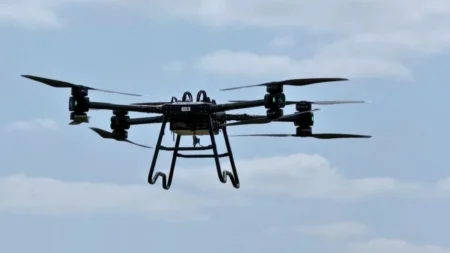
This open-innovation model is not limited to just two entities. It invites start-ups and other research laboratories to join the effort. Recent projects, such as the innovative drone platform development in Singapore, highlight how such partnerships can scale. Furthermore, support for emerging projects like laureates from the ENAC propulsion programs proves that the industry is actively nurturing the technologies of tomorrow.
Empowering the Talent of Tomorrow
Technology alone cannot secure the future of flight; it requires a highly skilled workforce. The partnership places a strong emphasis on training programs, bridging the gap between classroom theory and real-world industrial application. By fostering a dual-degree synergy between academic leaders, the institutions are preparing a new generation of engineers and managers.
Beyond standard curricula, the partnership seeks to make the sector more attractive to diverse talent. A key objective is to increase the representation of women in aviation, ensuring that the industry benefits from a wider range of perspectives. Whether through doctoral studies or initial vocational training, the goal is to align academic output with the high-tech requirements of the global aerospace industry giants.
“With Thales, we are creating a unique ecosystem where academic research meets real-world expertise. Our students and researchers will benefit from an inspiring environment to prepare and imagine the aviation industry of 2050.” Olivier Chansou, ENAC Director.
“This partnership with ENAC is key to our open innovation strategy. Together, we will accelerate progress in critical technologies for safer, smarter, and more sustainable aviation, while training talent to acquire the skills needed to manage today’s and tomorrow’s complex and dynamic ATM ecosystem.” Youzec Kurp, Vice-President, Airspace Mobility Solutions, Thales.
Frequently Asked Questions on Thales and ENAC partnership
The partnership focuses on accelerating AI-based solutions for sustainable air traffic management and evolving training programs to meet the modern recruitment and technical needs of the aeronautics industry.
By leveraging AI and advanced air traffic flow optimization, the partners aim to improve flight trajectories and efficiency, with a stated objective of reducing aviation-related CO₂ emissions by around 10%.
Yes, the agreement promotes a collaborative, open ecosystem that encourages start-ups, academic institutions, and research laboratories to contribute to targeted projects and drive innovation together.
Global Impact and Industry Transformation
The signing of this agreement at the Airspace World 2026 event in Lisbon marks a three-year commitment to change. With successful pilots already underway—such as the integrated ATM and training deployment in Mongolia—this collaboration is proof that theory can be rapidly translated into operational efficiency.
By fostering this open ecosystem, Thales and ENAC are not just improving air traffic management; they are building a resilient, adaptable framework that will serve the aviation community for decades to come.
What are your thoughts on this collaboration? Do you believe AI is the key to solving the aviation industry’s environmental challenges? Share your insights and join the conversation in the comments below!